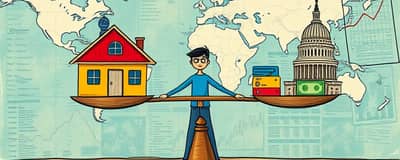
The digital divide represents systematic gaps in access to reliable high-speed internet, modern devices, and digital skills. These gaps translate into unequal economic opportunity, lower productivity, and lost GDP across communities worldwide.
Addressing this challenge demands both technical innovation and social commitment. The divide is more than a connectivity issue—it is a matter of human rights and social justice that influences education, healthcare, commerce, and civic life.
Understanding the Digital Divide
At its core, the digital divide is the gap between those who have consistent, quality digital access and those who do not. This divide is shaped by multiple factors—economic, geographic, educational, and social—that reinforce each other.
- Access Divide: Difference in availability of high-speed internet and devices.
- Usage and Skills Divide: Variation in how people use technologies and their digital literacy.
- Digital Redlining: Structural exclusion of low-income or marginalized neighborhoods from quality services.
True access means not just being online, but having connectivity, appropriate devices, and the training to use them safely and effectively.
Economic Factors and Regional Challenges
Affordability is a primary barrier. Many families simply cannot bear the cost of home broadband, computers, or data plans. Low-income adults often rely on smartphone-only access, which limits opportunities for work, study, and digital commerce.
Geographically, rural areas face fewer internet service providers, higher prices, and slower speeds. These conditions compound existing socioeconomic disadvantages and hinder regional economic growth.
Studies show a positive relationship between broadband availability and economic growth: regions with robust internet experience higher employment, new business formation, and rising household incomes.
Skills, Usage, and the New Divide
Even where infrastructure exists, engagement varies. Educational attainment and income levels predict digital usage more strongly than mere access. Without digital literacy, online tools remain underutilized.
- Affordability of services and devices.
- Accessibility in remote or underserved areas.
- Usability and skills training to empower users.
Addressing the “new” divide requires investment in training programs, community tech workshops, and curriculum integration to build digital literacy and skills from an early age.
Social, Civic, and Human Rights Impacts
Lack of connectivity creates information poverty and civic marginalization. People without internet cannot access vital health updates, job openings, or public services. They are effectively excluded from e-governance, online consultations, and digital public discourse.
In crisis situations—pandemics, natural disasters, conflicts—connectivity becomes a lifeline for information and aid. Those offline face higher risks and delays in assistance, deepening inequality and human suffering.
Scholars argue that internet access is an essential human right. Digital redlining and systemic exclusion mirror historical inequities, perpetuating patterns of racial, geographic, and class-based marginalization.
Strategies for Bridging the Gap
Bridging the digital divide requires a multifaceted approach that blends policy, community engagement, and private-sector innovation. No single strategy suffices, but coordinated action can unlock inclusive growth.
- Public Investment in Broadband: Expand affordable high-speed networks in rural and low-income urban areas.
- Subsidies and Voucher Programs: Offset costs of devices and service plans for eligible families.
- Digital Skills Initiatives: Launch workshops, mentoring, and online courses to raise digital literacy.
- Community Technology Hubs: Create safe, accessible centers where residents can use devices and receive training.
- Gender-Focused Outreach: Develop programs that empower women and other underrepresented groups online.
Collaboration is key. Governments, nonprofits, educators, and businesses must align resources and expertise. Public-private partnerships can drive infrastructure projects, while NGOs can tailor outreach to local needs.
Case studies around the world show that when communities gain reliable access and training, they harness digital tools to innovate, start businesses, improve health outcomes, and participate fully in civic life.
Conclusion
The digital divide remains one of the most pressing social and economic challenges of our time. It is both a barrier to individual opportunity and a brake on collective prosperity.
By treating digital access as connectivity plus devices plus skills, and by prioritizing equity in policy and investment, we can bridge this gap. Every classroom, home, and community that gains quality access brings us closer to a future where the benefits of the digital age are shared by all.
Now is the time to build that bridge and ensure no one is left offline or behind.